

A record of public service

Before this campaign, Aidan Hill served Berkeley through the Homeless Commission.
That work is documented in official City minutes.

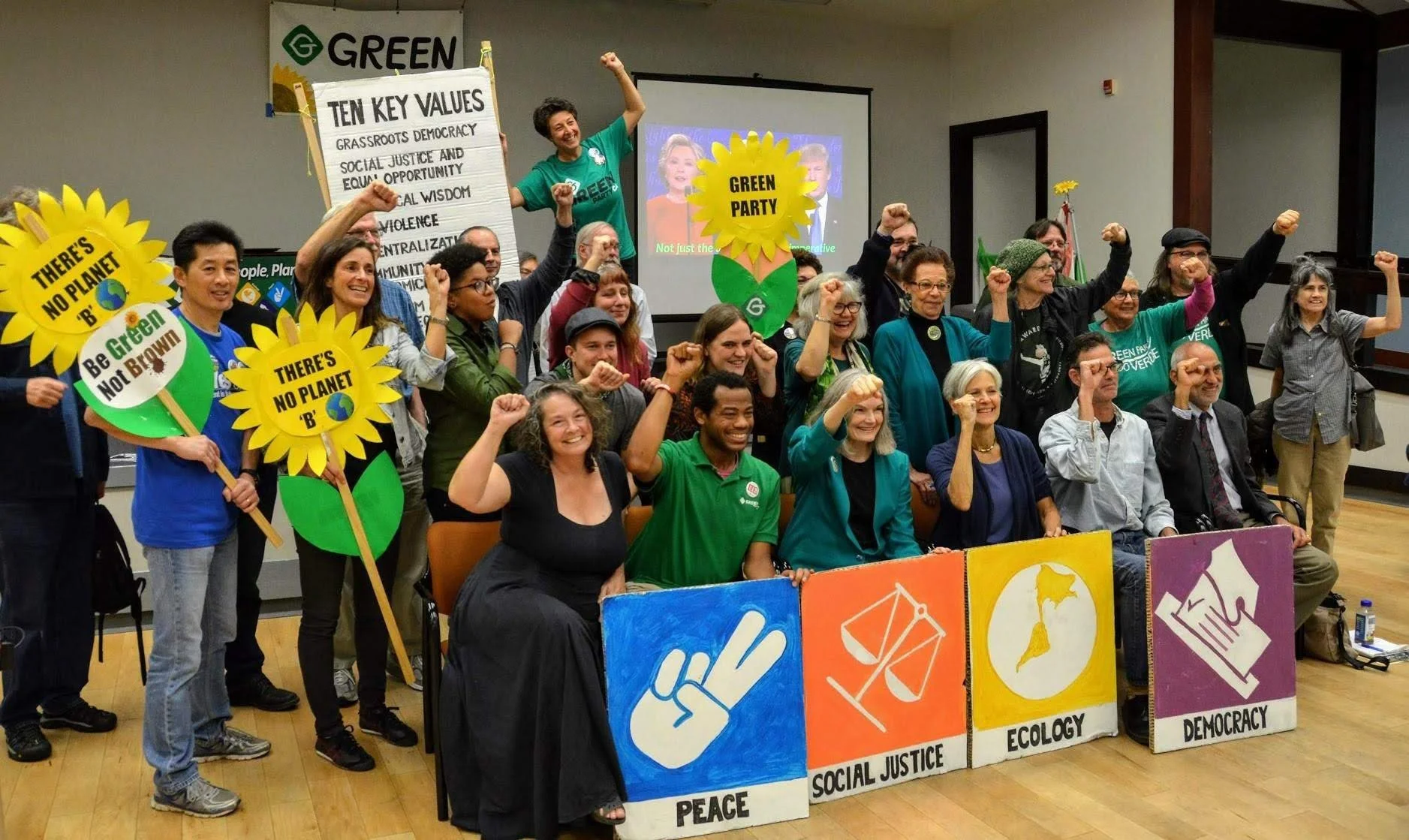
Photo: Jonas Nykamp / The Berkeley High Jacket
From 2019 through 2020, the record shows Aidan voting on emergency shelter, public health, housing subsidies, source-of-income discrimination, accessibility, and commission accountability. These were not abstract issues. They were public decisions about how Berkeley should respond when residents are living outside, services are fragmented, and basic City systems need to work better.
A City record closest to survival
Aidan’s record is not only activism. It is public service documented in City records.
As Vice-Chair of Berkeley’s Homeless Commission, Aidan worked on shelter, accessibility, public health, housing, and services for residents in crisis. That record comes from the part of City government closest to survival: where people sleep, eat, get water, access care, and try to stay housed.
District 7 needs housing policy, but it also needs leadership that understands what happens when City systems fail on the ground. Southside is not only a housing-production district. It is a neighborhood shaped by students, renters, unhoused residents, public space, Telegraph small businesses, ADA access, public restrooms, food distribution, crisis response, street-level service failures, and UC-City accountability.
Voting Record at a Glance
The reviewed City minutes show 69 recorded vote entries involving Aidan Hill across 11 Homeless Commission meetings from April 2019 through November 2020.
-
64
Yes votes
-
1
No Vote
-
2
Abstentions
-
2
Officer-election Ballots
-
69
69 recorded vote entries
Note: Aidan’s only recorded No vote was procedural: they voted against rescinding a subcommittee vote during a May 8, 2019 discussion about encampment policy. The Commission then re-established the Encampment Subcommittee, with Aidan appointed to serve on it. Abstentions were limited: one was on prior meeting minutes, and one was on a supplemental count proposal later reframed around improving the official Point-in-Time Count.
Service Highlights
-
Public Health
Aidan moved a recommendation for Berkeley Public Health to study health conditions, health disparities, and mortality among Berkeley residents experiencing homelessness. During COVID, they supported a commission letter focused on at-risk unhoused residents.
-
Emergency Shelter
Aidan authored and supported recommendations on emergency outdoor shelter, the People’s First Sanctuary model, the Here/There encampment, and interim RV housing at 1281 University Avenue.
-
Housing Stability
Aidan voted for recommendations tied to long-term subsidies, cannabis tax revenue for Berkeley’s 1000 Person Plan, source-of-income discrimination enforcement, Adeline Corridor extremely low-income housing access, and inclusionary housing analysis.
-
Accessibility
Aidan supported disability accommodations for commissioners, remote participation procedures for illness, and emergency meeting protocols.
-
Accountability
Aidan supported a public system to track commission recommendations, outcomes, Council votes, and implementation records so residents could see what the City promised and what actually happened.
What this record shows
This record matters because it shows the kind of public service Aidan brings to District 7.
Aidan’s Homeless Commission work focused on homelessness, public health, shelter, accessibility, services, and direct survival infrastructure. Their direct-service work, mutual aid organizing, emergency preparedness, and Southside accountability work all point in the same direction: policy has to be judged by what happens to people on the ground.
District 7 needs more housing, but it also needs basic services, public land, safe access, emergency readiness, and public systems residents can hold accountable. Aidan’s record fits those conditions.
From the Minutes
These examples show the public record behind Aidan’s service on Berkeley’s Homeless Commission.
-
Date: June 12, 2019
What the minutes show:
The minutes show Aidan moved a recommendation asking Council to direct Berkeley Public Health to study health conditions, health disparities, and mortality rates among Berkeley residents experiencing homelessness over the previous five years. The motion passed unanimously among members present.Why it matters:
A city cannot solve what it refuses to measure. This vote connected homelessness policy to public health, mortality, and health disparities. -
Date: June 12, 2019
What the minutes show:
The minutes show Aidan moved a recommendation to use the unused City-owned property at 1281 University Avenue as interim housing for up to 8 to 10 RV dwellers, or as many as could be safely accommodated, with selection based on ties to Berkeley. The motion passed unanimously among members present.Why it matters:
This was a practical stabilization proposal: use public land to reduce immediate harm while prioritizing people with real ties to Berkeley. -
Date: July 10, 2019
What the minutes show:
The minutes show Aidan voted for submitting a report recommending that a substantial portion of cannabis tax proceeds fund subsidies under Berkeley’s 1000 Person Plan. The motion passed unanimously among members present.Why it matters:
The vote connected a local revenue source to long-term housing stability, not only temporary crisis response. -
Date: November 13, 2019
What the minutes show:
The minutes show Aidan seconded and voted for a report to Council on enforcing Berkeley’s source-of-income discrimination ordinance. The motion passed with recorded opposition.Why it matters:
Vouchers and subsidies only work if landlords accept them. Enforcement is the difference between a right on paper and housing in practice. -
Date: January 8, 2020
What the minutes show:
The minutes show Aidan moved the People’s First Sanctuary recommendation with amendments requiring community-selected oversight and City-funded liability insurance for the agency chosen by the encampment community. The motion passed.Why it matters:
This vote reflected a harm-reduction approach to encampment policy: create safer conditions, respect community input, and build accountability instead of pushing people from block to block. -
Dates: October 9, 2019 and February 10, 2020
What the minutes show:
The minutes show Aidan moved support for establishing an emergency outdoor shelter in October 2019. In February 2020, they voted for a letter supporting the Emergency Outdoor Shelter and facilitating public input.Why it matters:
Emergency shelter policy needs both urgency and public accountability. Aidan supported moving the City toward action while keeping the process visible. -
Date: March 11, 2020
What the minutes show:
The minutes show Aidan seconded a coronavirus letter focused on at-risk unhoused residents. The motion passed unanimously among members present.Why it matters:
COVID exposed how dangerous fragmented systems are for people already living outside or without stable services. The record shows Aidan pushing the City to treat unhoused residents as a public-health priority. -
Date: March 11, 2020
What the minutes show:
The minutes show Aidan seconded a recommendation asking the City Clerk to compile commission recommendations, outcomes, Council votes, and implementation records for public information-sharing. The motion passed unanimously among members present.Why it matters:
Residents should be able to see what commissions recommend, what Council does with those recommendations, and whether anything gets implemented.
Accountability is part of the record
Aidan’s record is not only about what they supported. It is also about how they believe government should work.
The March 11, 2020 recommendation on tracking commission recommendations shows a clear standard: residents should be able to see what the City was asked to do, what Council did, and whether implementation followed.
That same standard applies now. District 7 needs public updates on housing, infrastructure, public space, and neighborhood conditions. Residents should be able to see what is working, what is delayed, and who is responsible for follow-through.
What this means for District 7
Aidan has a City record too: a homelessness, public health, direct service, mutual aid, emergency preparedness, and public accountability record.
That matters because District 7 is not only a housing-production district. It is a dense, renter-majority neighborhood where housing policy meets public health, public land, ADA access, small businesses, students, unhoused residents, food distribution, public restrooms, crisis response, and UC-City accountability.
District 7 needs housing, but it also needs someone who understands the human consequences when policy fails.
Aidan’s record shows a consistent approach: identify the material problem, move a practical recommendation, and make the City accountable for follow-through.
The same standard applies now
Berkeley needs leaders who can turn public concern into public action. Aidan’s Homeless Commission record shows practical public service before it became campaign language.
District 7 deserves that kind of service on the City Council.
Sources
This page is based on official Berkeley Homeless Commission minutes and City records.