

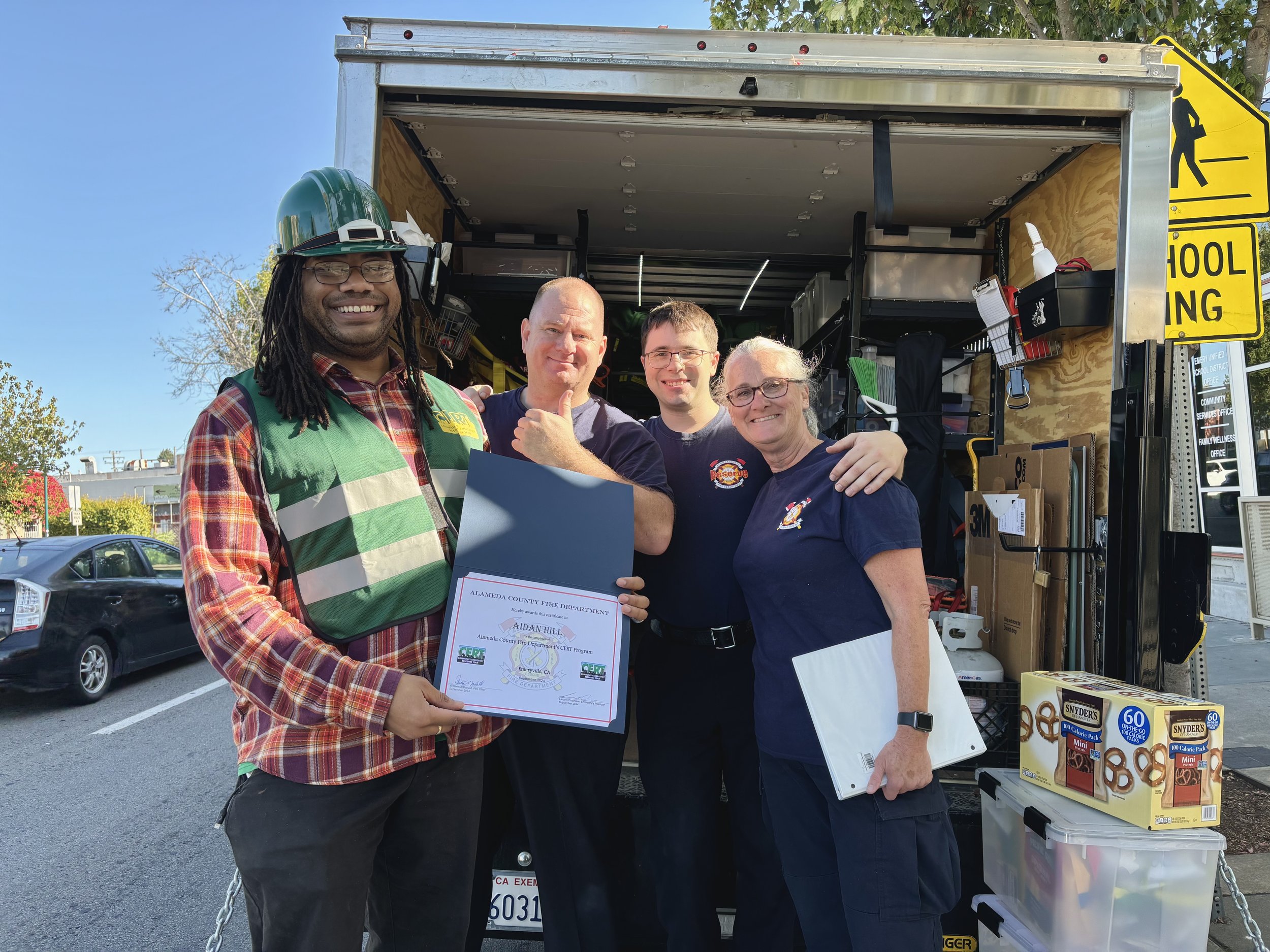
Governing Priorities for District 7

Berkeley is facing overlapping pressures: rising housing costs, climate impacts, aging infrastructure, institutional expansion, public frustration with city responsiveness, and a growing sense that many residents are being priced out of the future of the city they helped build.
Southside sits at the center of many of these pressures. It absorbs density, regional transit demand, student turnover, nightlife impacts, institutional expansion, and infrastructure strain, often without receiving proportional investment in maintenance, public amenities, stabilization, or long-term neighborhood planning.
I believe Berkeley needs governance that is grounded, transparent, practical, and accountable to the people who actually live here.
The goal is not just growth. The goal is a city that remains livable, functional, resilient, and connected for the people who call it home.
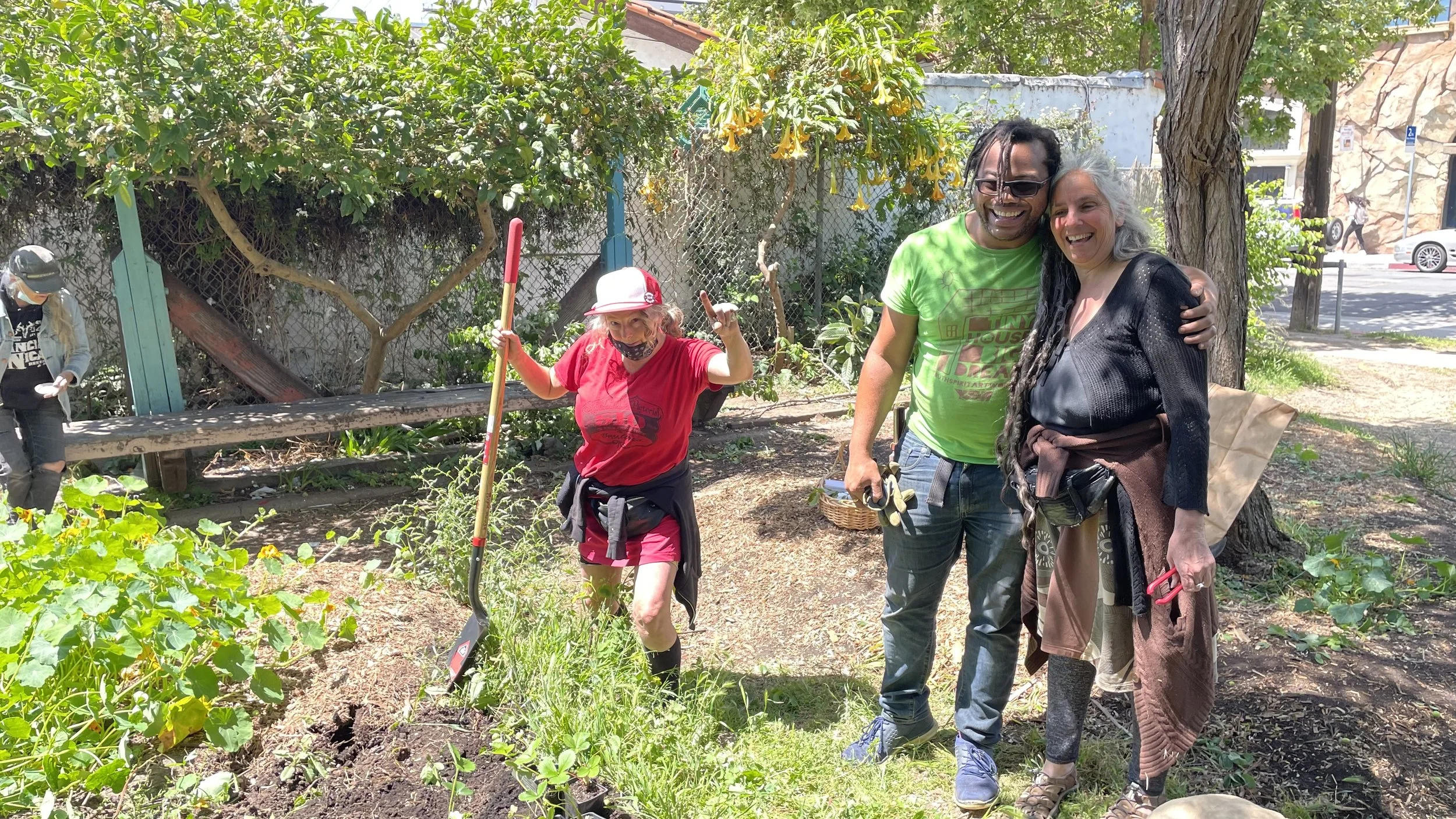
Climate and Infrastructure
What’s happening now
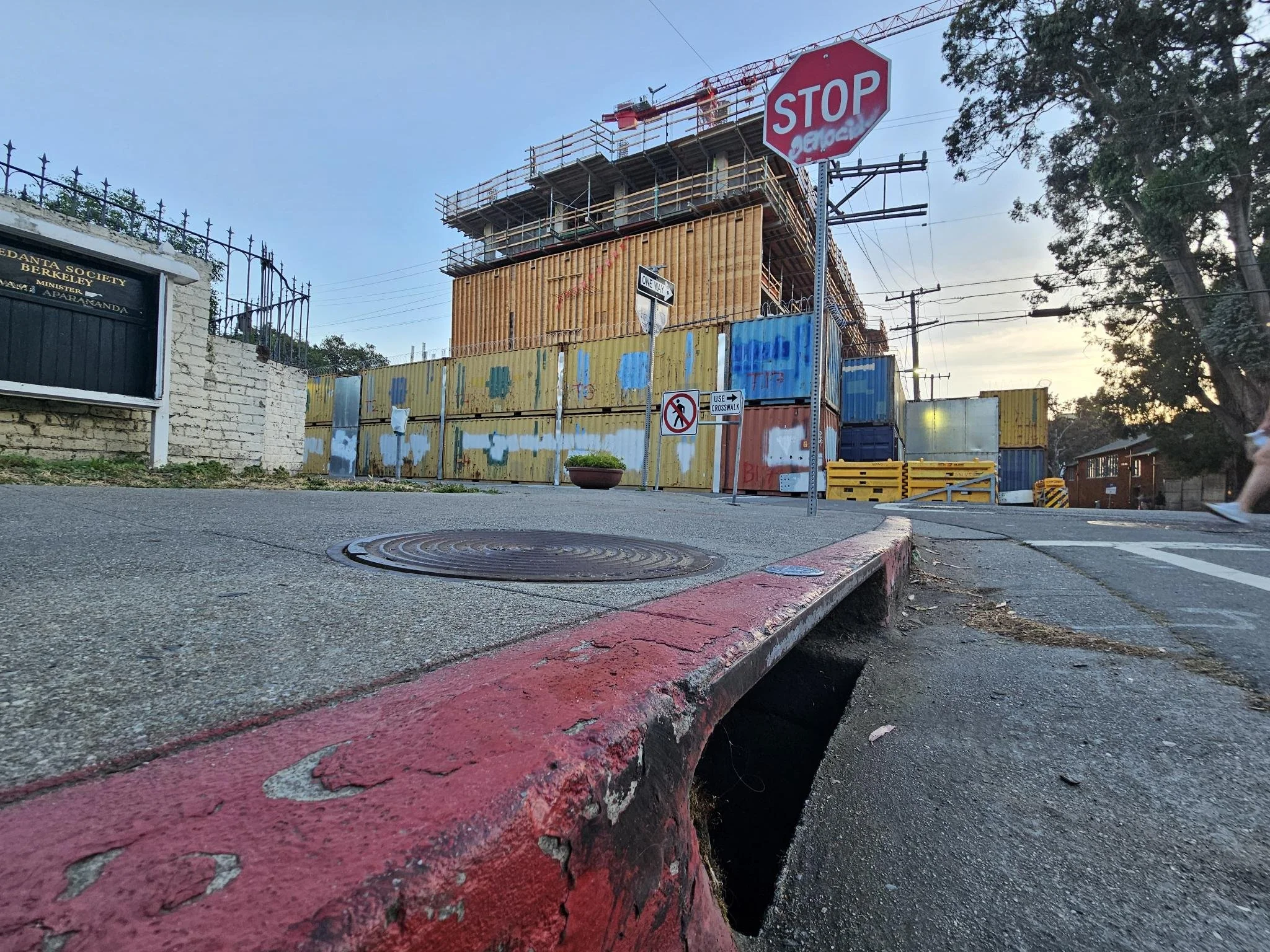
Berkeley is already experiencing the effects of climate change through hotter temperatures, aging infrastructure, stormwater stress, and increased pressure on public systems. At the same time, many everyday infrastructure problems remain unresolved for years, including sidewalk conditions, drainage issues, street deterioration, and gaps in shade and cooling infrastructure.
Southside in particular experiences intense daily use from residents, students, workers, transit riders, and visitors, but often lacks the level of maintenance and infrastructure investment that density requires.
What needs to change
Climate resilience should improve everyday life, not exist as a separate planning category disconnected from residents’ actual experience.
Berkeley should focus on practical infrastructure improvements that make neighborhoods safer, cooler, cleaner, and more resilient while preparing for long-term environmental pressures.
That includes:
Upgrading stormwater and street infrastructure
Expanding shade, cooling, and green space
Supporting clean energy and efficient buildings
Improving sidewalk conditions and accessibility
Prioritizing infrastructure investments in high-use areas like Southside
Climate planning should be visible in the daily experience of living in Berkeley, not just in long-term reports and targets.
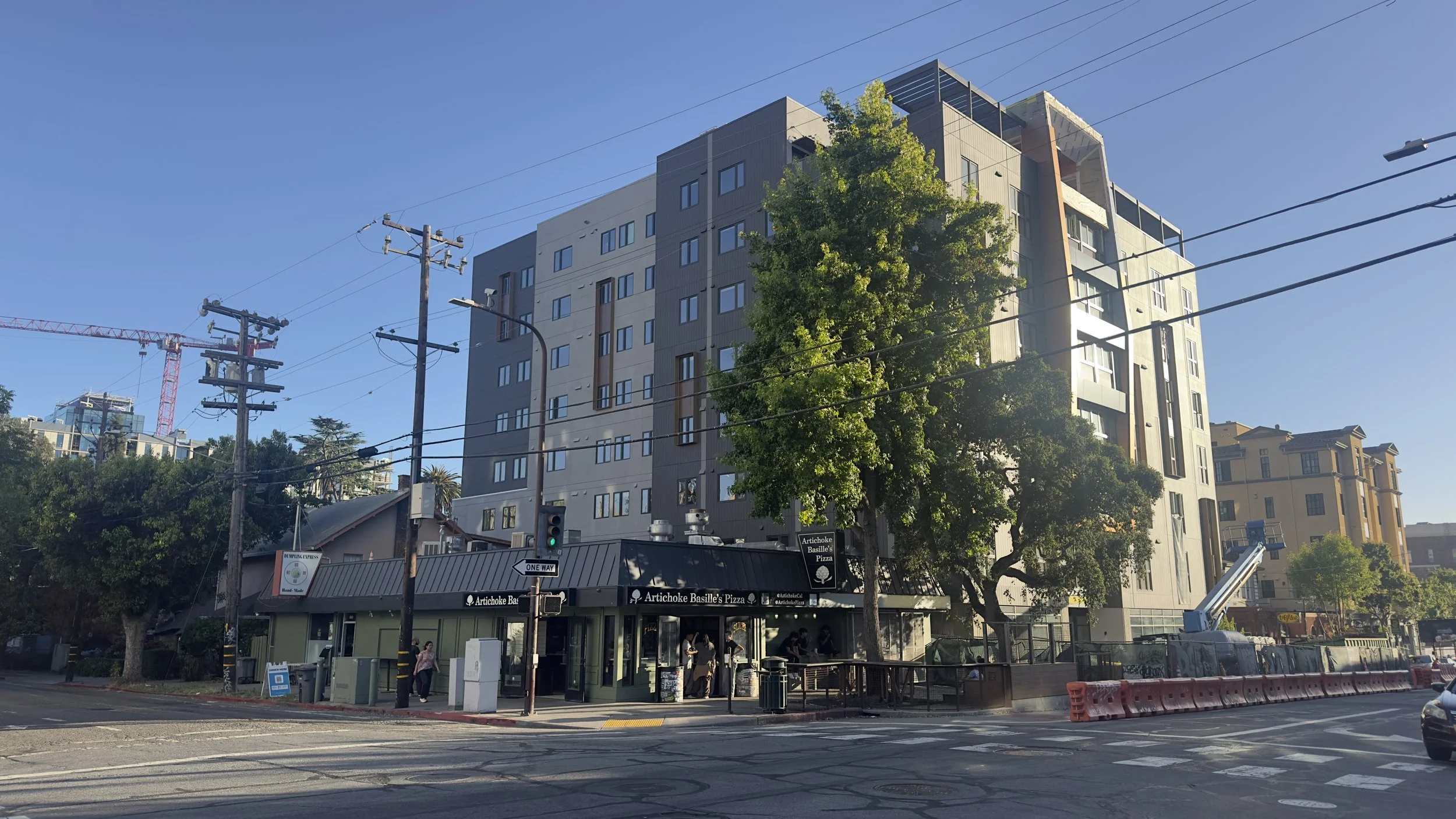
Housing and Stability
What’s happening now
Southside has increasingly been treated as a place to absorb growth without receiving proportional investment in affordability, infrastructure, public amenities, or neighborhood stabilization.
Rising land values, speculative pressure, and institutional expansion continue to push out long-term residents, students, workers, artists, and lower-income community members. Many residents feel like they are carrying the costs of growth while receiving fewer of the benefits.
At the same time, Berkeley faces real housing shortages that cannot simply be ignored.
What needs to change
Housing policy should focus not only on production, but on stability, preservation, and neighborhood livability.
Growth should not function as a transfer of burden onto existing residents. New development should contribute to infrastructure, affordability, maintenance, public amenities, and long-term neighborhood stability.
That includes:
Building below-market-rate housing that fits neighborhood conditions
Strengthening tenant protections and preventing displacement
Supporting housing options for students, workers, families, and long-term residents
Exploring preservation and acquisition strategies that keep housing permanently affordable
Ensuring major development contributes to neighborhood infrastructure and quality of life
Housing policy should be measured not only by units built, but by whether people can continue living in the communities they helped create.
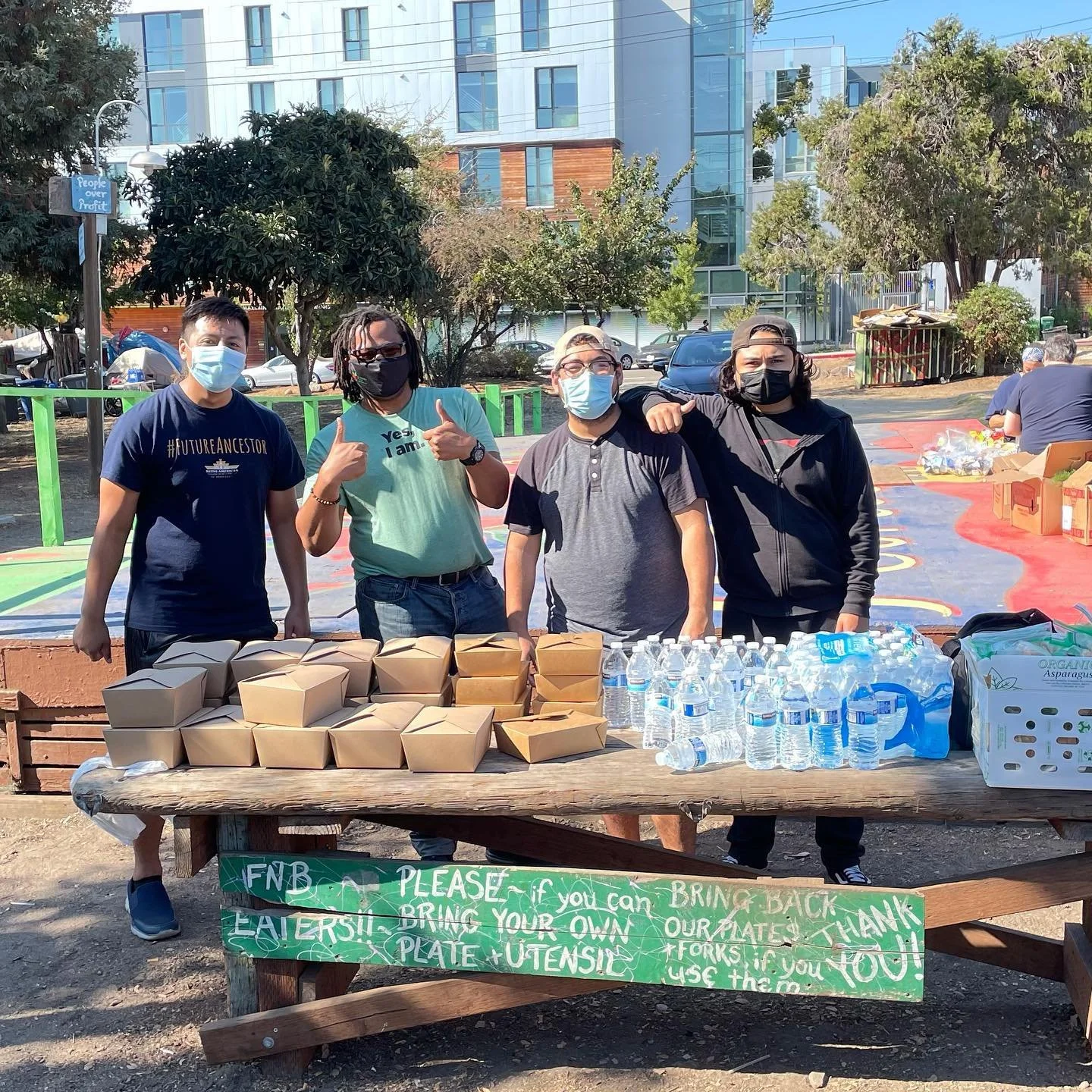
Public Health and Safety
What needs to change
Public safety should not be reduced to reaction alone. Safer neighborhoods are built through maintenance, stability, accessibility, mental health support, responsive infrastructure, and strong community trust.
Berkeley should focus on practical improvements that reduce harm before crises escalate.
That includes:
Investing in clean streets, lighting, maintenance, and public sanitation
Expanding access to mental health and outreach services
Supporting crisis response systems connected to care and stabilization
Improving pedestrian and traffic safety
Prioritizing prevention alongside emergency response
Building public trust through transparency and accountability
People should feel safe using public space, walking through their neighborhood, riding transit, and accessing city services.
What’s happening now
Residents are frustrated by visible disorder, inconsistent maintenance, untreated mental health crises, unsafe traffic conditions, and gaps in city responsiveness. Many people feel caught between systems that rely too heavily on emergency response while failing to invest enough in prevention and long-term stabilization.
At the same time, trust in institutions has eroded across many communities.
Public Space and Community Life
What’s happening now
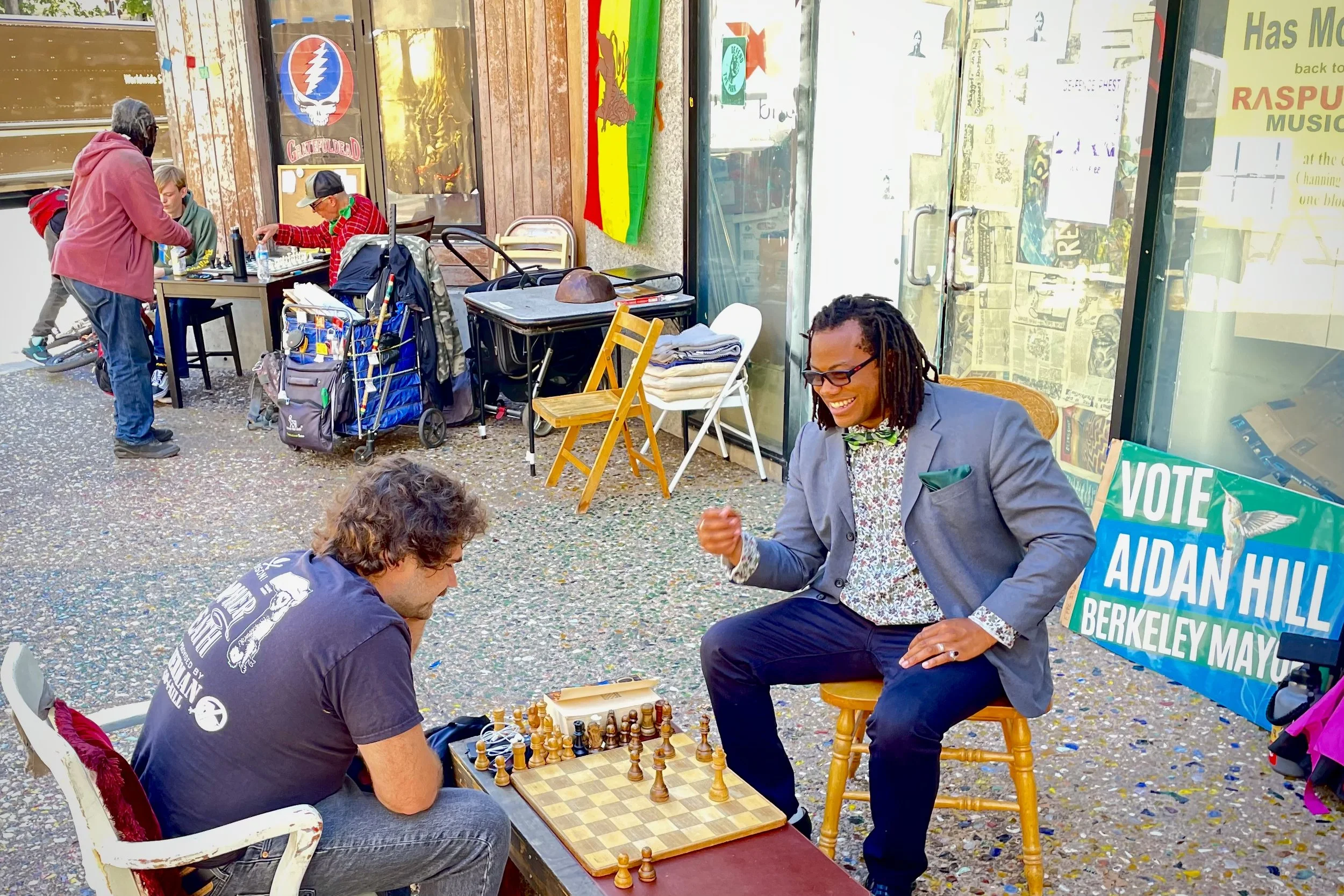
Public space in Berkeley is increasingly under pressure from privatization, disinvestment, competing institutional interests, and uneven maintenance. At the same time, public gathering spaces remain essential to neighborhood identity, civic life, recreation, culture, and democratic participation.
Southside especially needs public space that is functional, welcoming, accessible, and actively maintained.
What needs to change
Public land should serve the public first.
Parks, sidewalks, plazas, gathering spaces, and civic commons are not secondary amenities. They are part of the social infrastructure of the city.
Berkeley should invest in maintaining and improving public spaces while ensuring communities have a meaningful role in shaping how those spaces evolve.
That includes:
Maintaining parks, sidewalks, and public gathering areas
Improving accessibility and usability of public space
Supporting programming that brings neighbors together
Ensuring public land decisions reflect community priorities
Expanding amenities like seating, shade, bathrooms, and maintenance infrastructure
Protecting spaces that contribute to neighborhood identity and public life
A healthy city is one where people can comfortably exist in public without needing to purchase access to community.
Economic and Small Business Support
What’s happening now
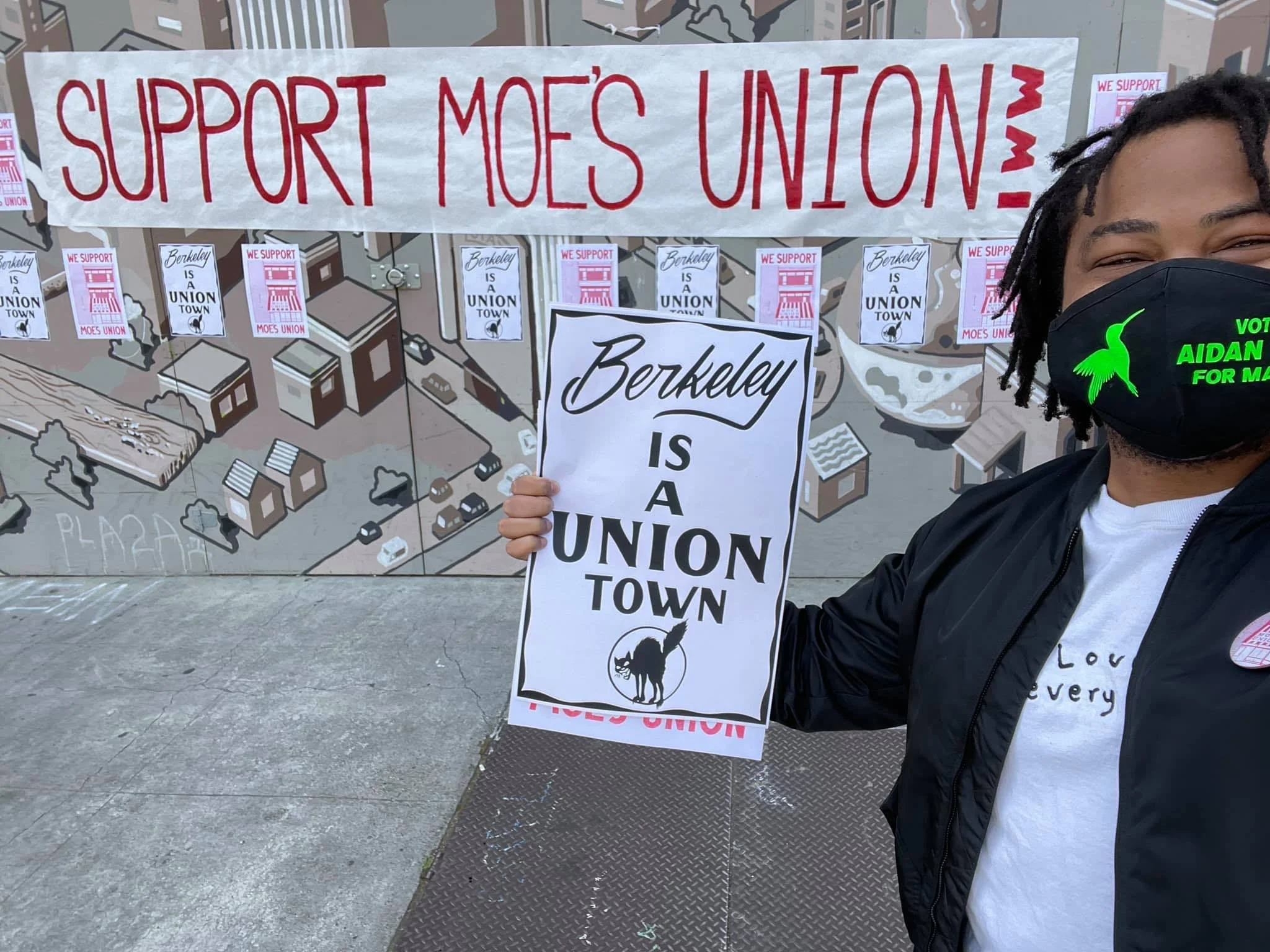
Small businesses in Berkeley face rising rents, permitting complexity, infrastructure challenges, changing consumer patterns, and inconsistent city responsiveness. Commercial corridors like Telegraph are economically important, but many businesses feel unsupported despite contributing heavily to neighborhood identity and activity.
What needs to change
Berkeley should make it easier for neighborhood-serving businesses to survive, adapt, and remain rooted locally.
Economic policy should focus on stability, walkability, accessibility, cleanliness, and reducing unnecessary friction for small operators.
That includes:
Reducing unnecessary bureaucratic barriers for small businesses
Supporting local hiring and neighborhood-serving jobs
Maintaining clean, accessible commercial corridors
Improving infrastructure around business districts
Supporting small businesses adapting to changing neighborhood conditions
Strengthening connections between economic activity, transit, housing, and public space planning
Strong neighborhood commercial corridors are part of what makes Berkeley feel alive and connected.
Accountability and City Services
What’s happening now
Many residents feel disconnected from city government and unsure whether projects, timelines, and public commitments are actually being followed through consistently. Communication often becomes reactive, fragmented, or difficult to track.
People deserve clearer expectations and better visibility into how decisions are made.
That includes:
Providing regular public updates on housing, infrastructure, and services
Setting clearer timelines and benchmarks for neighborhood improvements
Creating consistent community check-ins around major projects
Improving transparency around implementation and budgeting
Tracking outcomes and adjusting policies when they are not working
Strengthening public trust through responsiveness and accountability
Good governance is not only about passing policy. It is about whether residents can actually feel the results in their daily lives.
What needs to change
City government should be understandable, measurable, and responsive.
Residents should be able to see:
what the city is doing,
why decisions are being made,
what progress is happening,
and where problems still exist.
Looking Ahead for Berkeley
Berkeley is changing whether we plan carefully or not.
The question is not whether growth and change will happen. The question is whether those changes will strengthen the city for the people who already live here, or continue shifting costs onto residents while public trust erodes.
I believe Berkeley can grow while remaining livable, diverse, accessible, and community-centered. But that requires planning that is grounded in neighborhood realities, public accountability, infrastructure investment, and long-term stability.
It also requires leadership that is willing to be honest about tradeoffs, responsive to residents, and focused on implementation instead of slogans.
I’m running because I care deeply about Southside, public space, housing stability, and the future of Berkeley as a place where people from different backgrounds and income levels can continue building community together.
This campaign is about helping shape a city that remains functional, humane, welcoming, and accountable for the long term.
I’m ready to do that work with you.
Your neighbor,
Aidan Hill
District 7 Candidate