

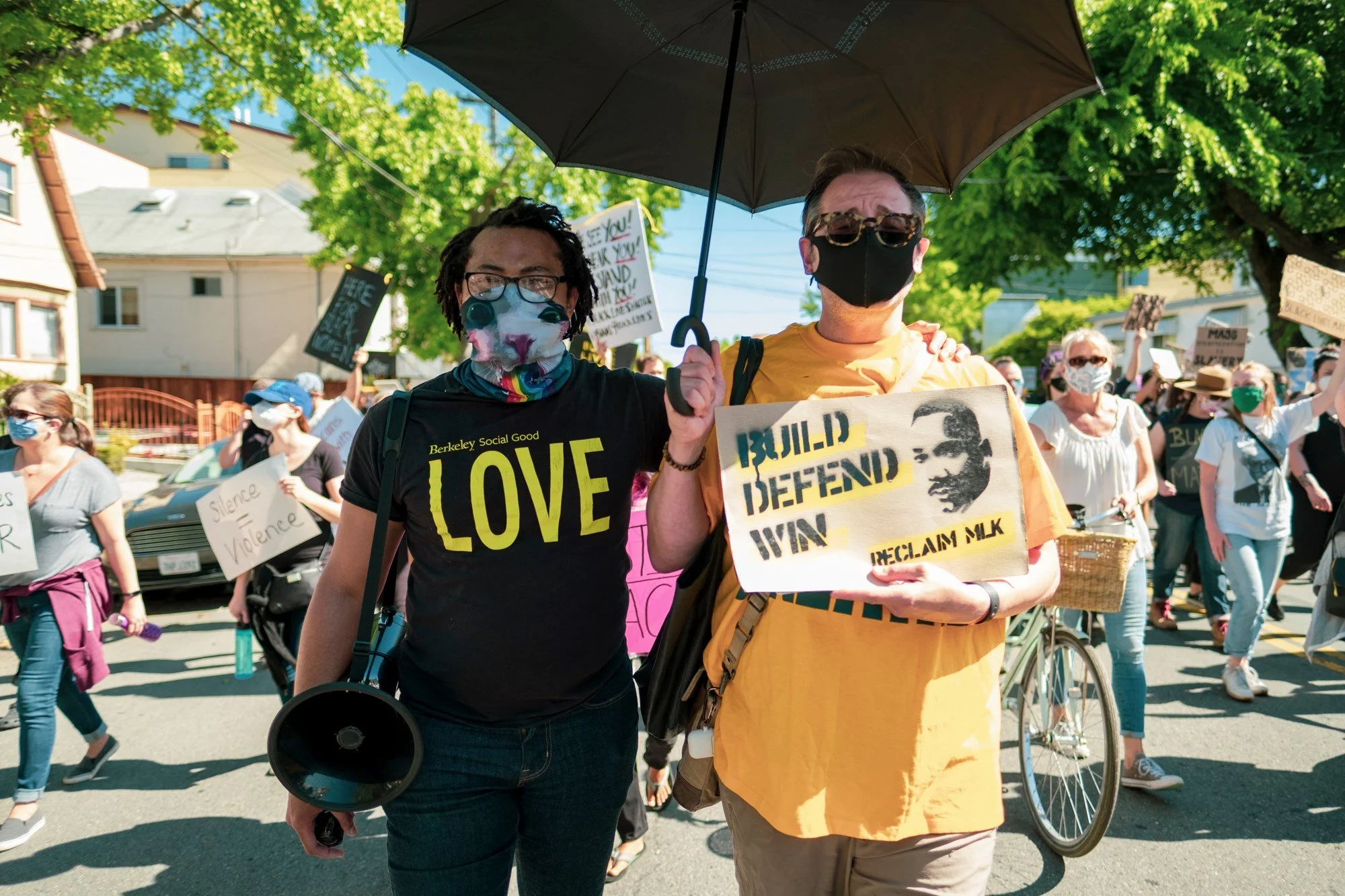
Aidan’s Policy Overview

Charting Berkeley's Future: Vision, Action, and Legacy
Berkeley is facing real challenges: climate change, housing pressure, public safety concerns, and a growing gap between those who can afford to live here and those who cannot. Aidan Hill believes Berkeley should meet these challenges with practical solutions rooted in community, sustainability, and accountability. The goal is simple:
Build a city that is resilient, safe, and welcoming for everyone who calls it home.
Climate Resilience And adaptation
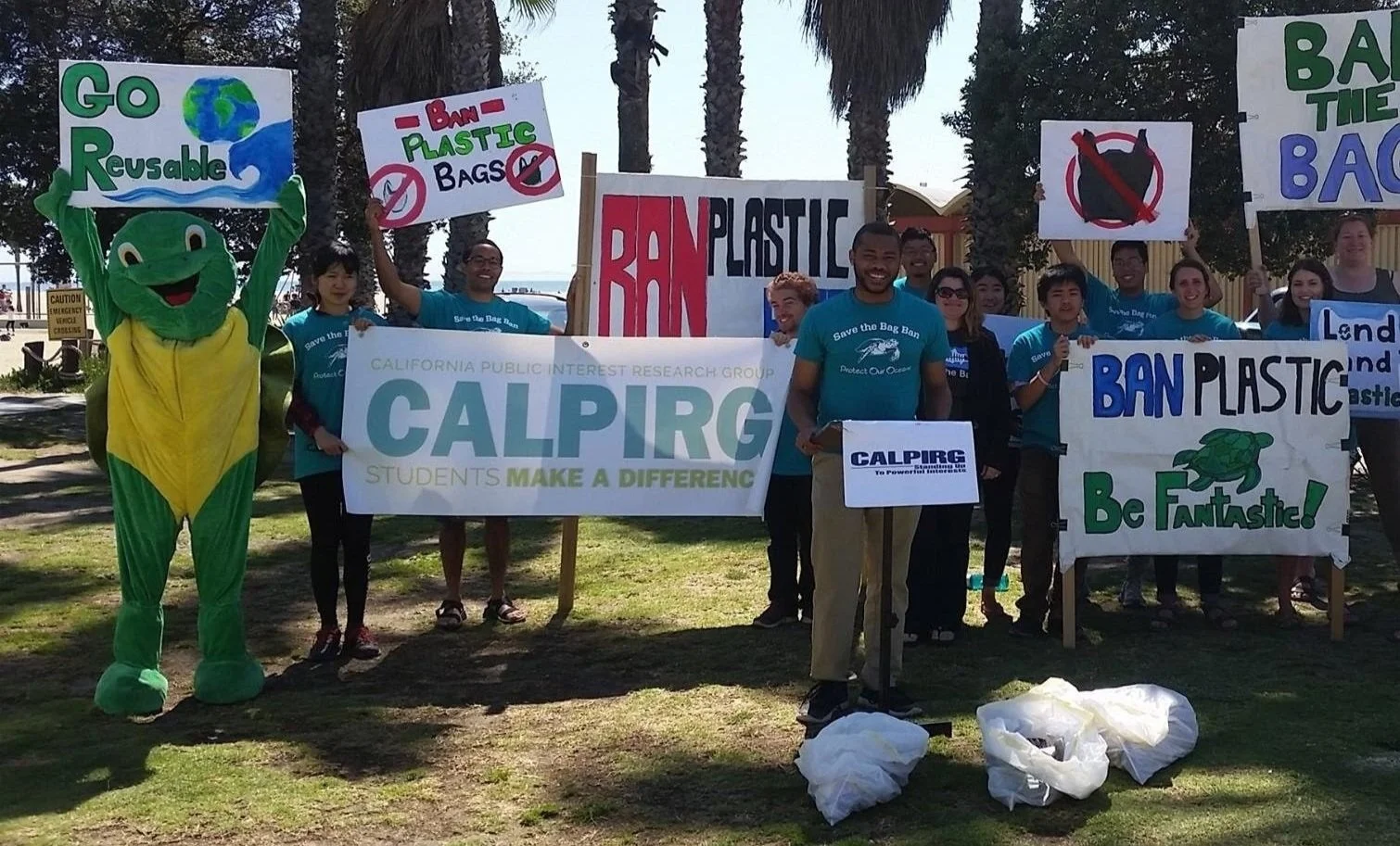
A Sustainable, Resilient, and Inclusive Future:
Berkeley’s relationship with the environment should go beyond reducing harm. Our goal should be to care for the land, water, and public spaces that sustain our community. Climate change is already affecting the Bay Area through heat waves, wildfire smoke, drought, and aging infrastructure. Preparing for these challenges requires thoughtful planning, practical investments, and cooperation across our community.
Berkeley must take care of the systems that support everyday life. Maintaining and improving essential infrastructure helps ensure our city remains reliable, resilient, and prepared for changing environmental conditions.
Climate resilience in Berkeley begins with taking care of the systems we rely on every day. Our infrastructure, public spaces, and neighborhoods should be prepared for the realities of climate change while continuing to serve residents safely and reliably.
Resilience also happens at the neighborhood level. Streets, sidewalks, and public spaces should be designed to reduce heat, support public health, and make it easier for people to move through the city safely. Expanding tree canopy, green spaces, and climate-aware landscaping can help keep neighborhoods cooler while improving the everyday quality of life.
Transportation and urban design should support both environmental responsibility and community well-being. Safer streets, accessible sidewalks, and strong transit connections allow more people to move through Berkeley safely while reducing unnecessary emissions.
Energy and waste systems also play an important role in our environmental future. Berkeley can continue supporting efficient buildings, responsible energy use, and practical approaches that reduce waste and conserve resources.
Environmental stewardship should also recognize the long history of this land and the Ohlone people who have cared for it. Respect for that history can help guide a more thoughtful and responsible relationship with the environment.
A resilient Berkeley is one where environmental planning strengthens the entire community. Climate adaptation should improve daily life, protect public health, and ensure that every neighborhood is able to thrive in the years ahead.
Public Health and Quality of Life

Healthy Communities, Safe Neighborhoods, and Every day Well-Being
Public health is about more than hospitals or clinics. It is about the everyday conditions that allow people to live healthy, stable lives. Clean neighborhoods, safe streets, accessible services, and strong community networks all contribute to the well-being of our city.
Berkeley should continue supporting access to essential health services, including mental health support, preventive care, and community-based resources. Strengthening partnerships with local providers and community organizations can help ensure residents have access to care that respects dignity, privacy, and cultural diversity.
Mental health and substance recovery support are also essential to community well-being. A compassionate approach that emphasizes prevention, treatment, and stability can help individuals and families find support while strengthening the health of the broader community.
Quality of life also depends on the environments where people live. Clean public spaces, safe housing conditions, and access to healthy food all play an important role in public health. Thoughtful planning and responsible stewardship of our neighborhoods help create conditions where residents can live safely and comfortably.
Public safety is another essential part of community well-being. Berkeley should continue working toward approaches that prioritize safety, accountability, and trust. Community-centered strategies that focus on prevention, responsiveness, and respect can help ensure residents feel secure in their neighborhoods.
A healthy Berkeley is one where people have the opportunity to live with dignity, stability, and connection to their community. By supporting practical, community-based approaches to public health and safety, we can strengthen the everyday quality of life for residents across the city.
Good Governance and Community Engagement
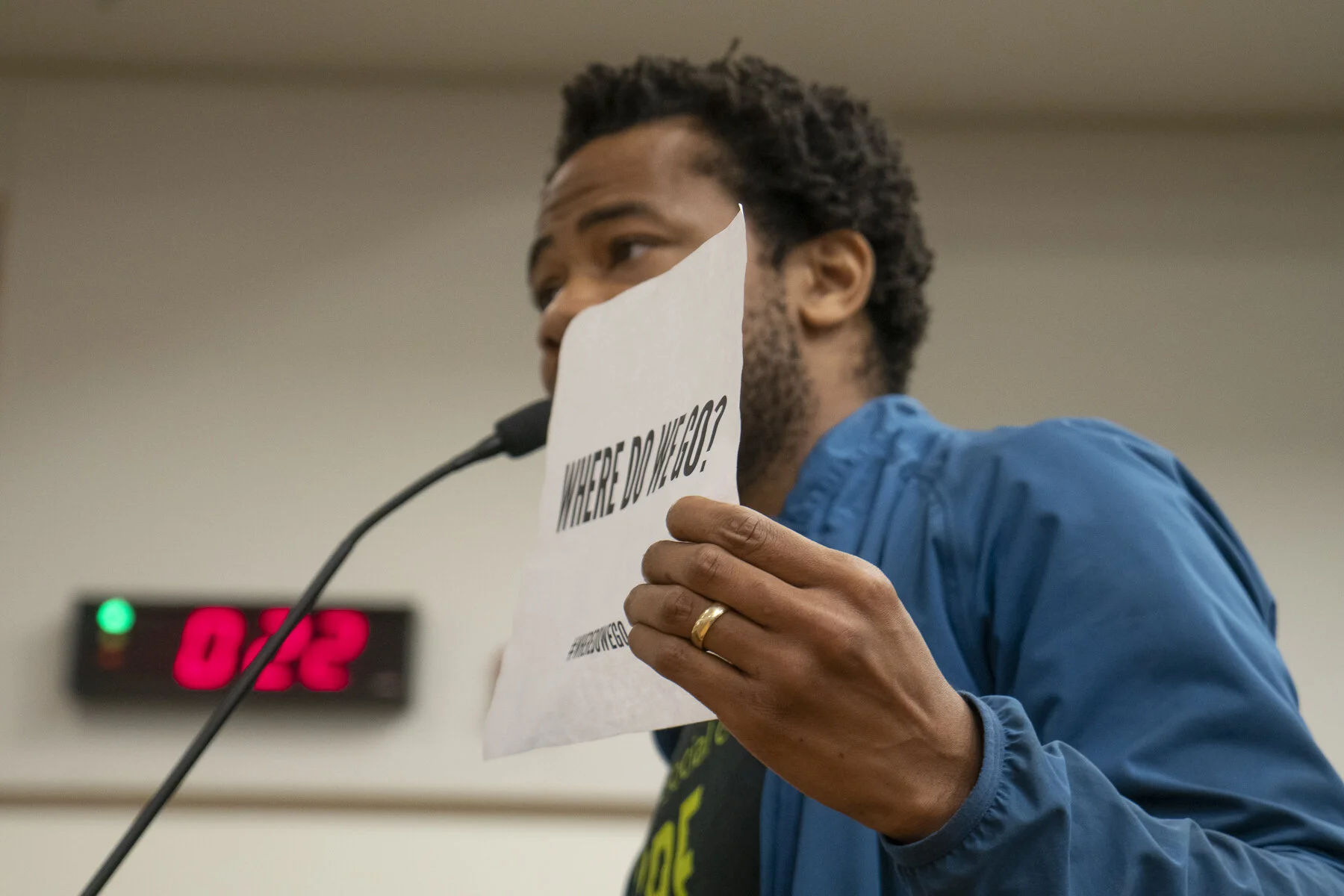
Transparent Government and an Engaged Community
Good governance begins with trust. Residents should be able to see how decisions are made, understand how public resources are used, and feel confident that their voices matter in shaping the future of the city.
Berkeley should continue strengthening transparency, accountability, and open communication between city government and the community. Clear information, accessible meetings, and responsive public service help ensure that residents can stay informed and participate in civic life.
Community participation is essential to a healthy democracy. Berkeley’s strength comes from the people who live, work, and study here. Encouraging public input and meaningful engagement helps ensure that decisions reflect the needs and experiences of the broader community.
Responsible stewardship of public resources is also central to good governance. Careful budgeting, thoughtful planning, and clear priorities help ensure that city investments support community well-being while maintaining long-term stability.
Technology can also help make government more accessible. Improving digital access to public information and city services allows residents to stay connected, informed, and involved in the decisions that affect their neighborhoods.
A strong and transparent city government helps build confidence in public institutions. By prioritizing openness, accountability, and community participation, Berkeley can continue strengthening a local democracy that works for everyone.
Social Equity and Inclusion

A Community Where Everyone Belongs
Berkeley should be a city where every resident can live with dignity, opportunity, and a strong sense of belonging. Social equity means making sure our community grows in a way that includes everyone and respects the diverse people who call Berkeley home.
A strong and inclusive city supports economic stability and opportunity. Local businesses, workers, families, and community institutions all play an important role in maintaining a vibrant and resilient local economy.
Equity also means recognizing and respecting the full diversity of our community. Berkeley has long been a place where people of different backgrounds, cultures, and experiences come together. Ensuring that all residents are treated with fairness and respect strengthens the fabric of our city.
Housing stability, accessible services, and supportive community resources all contribute to a more inclusive Berkeley. Policies and planning decisions should consider the needs of residents across different generations, abilities, and life circumstances.
Berkeley should also remain a welcoming city that values cultural expression, creativity, and community life. Arts, culture, and public spaces bring people together and help build connections across neighborhoods.
Inclusion also means recognizing the history of the land and the communities who have long cared for it. Respect for that history can guide a more thoughtful and responsible future for our city.
A more equitable Berkeley is one where opportunity, dignity, and participation are available to everyone. By continuing to strengthen inclusion and fairness in our civic life, we can build a community where all residents feel they belong.
Looking Towards the Future Berkeley Can Grow Into
The decisions we make today will shape Berkeley for generations.
Aidan Hill believes we should plan not just for the next election cycle, but for the long future of our community.
That means building a city where dignity, opportunity, and belonging are shared by everyone who calls Berkeley home. Strong communities grow when residents feel connected to one another and confident that their voices matter.
Berkeley’s future depends on thoughtful leadership that balances innovation with responsibility. Addressing today’s challenges requires clear values, practical solutions, and a commitment to protecting the things that make this city unique.
It also means caring for the commons we all share: our land, our air, and our public spaces. These resources belong to everyone, and we have a responsibility to steward them wisely for future generations.
A thriving Berkeley is one where community life is vibrant, creativity, and culture are supported, and residents have the stability they need to participate fully in civic life.
This campaign is not just about winning an election. It is about strengthening the community we share and building a future where Berkeley continues to lead with compassion, resilience, and democratic participation.
Together, we can continue shaping a Berkeley that protects what makes this city special while preparing responsibly for the years ahead.